The Cotswold Way is one of England's most scenic long-distance trails. It's a 100-mile journey through rolling hills, charming villages, and breathtaking countryside. Whether you're in the early planning stages or finalizing your route, these seven tips will help you make the most of every mile.
1. Navigating the Trail: Apps, Signs, and Maps
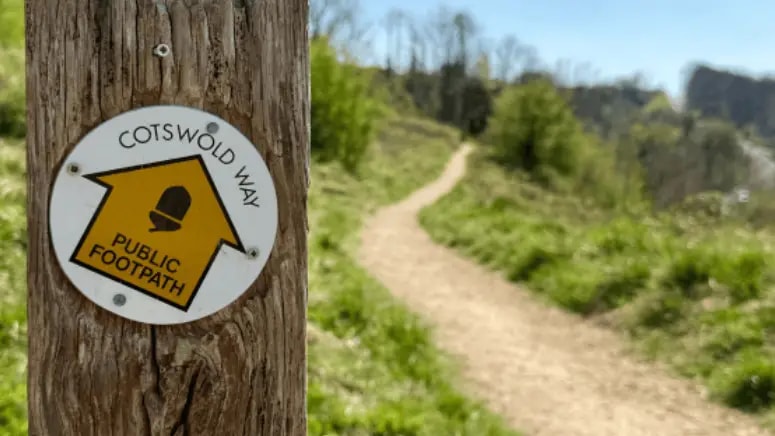
When it comes to staying on course, the All Trails app was my go-to resource for hiking the Cotswold Way (another alternative is the new Cotswold Way App). It tracks your progress in real time, shows your daily mileage, miles remaining, and elevation changes, making it a very helpful tool for any long-distance hiker. In addition, the trail itself is very well marked with sign posts in regular and strategic spots. Much of the Cotswold Way intersects with public footpaths, so keep an eye out for the acorn symbol that denotes the right trail. As a backup, carrying a physical map is a smart idea, though you may find that you never actually need to open it.
2. Should You Use a Luggage Transfer Service?
One of the biggest decisions you'll make before hitting the trail is whether or not to use a luggage transfer service. It's a huge benefit to this trail having a service to transport your main luggage from accommodation to accommodation, so you only have to carry a daypack while you hike. And it's a very popular option for good reason! That said, you'll need to have a solid sense of your daily mileage ability and book all your accommodation in advance before setting it up. If you prefer a more spontaneous, flexible approach to hiking the Cotswold Way, carrying your own pack is totally doable. Just be prepared to pack more strategically and be able to carry the extra weight over 100 miles.
3. Accommodation Along the Cotswold Way
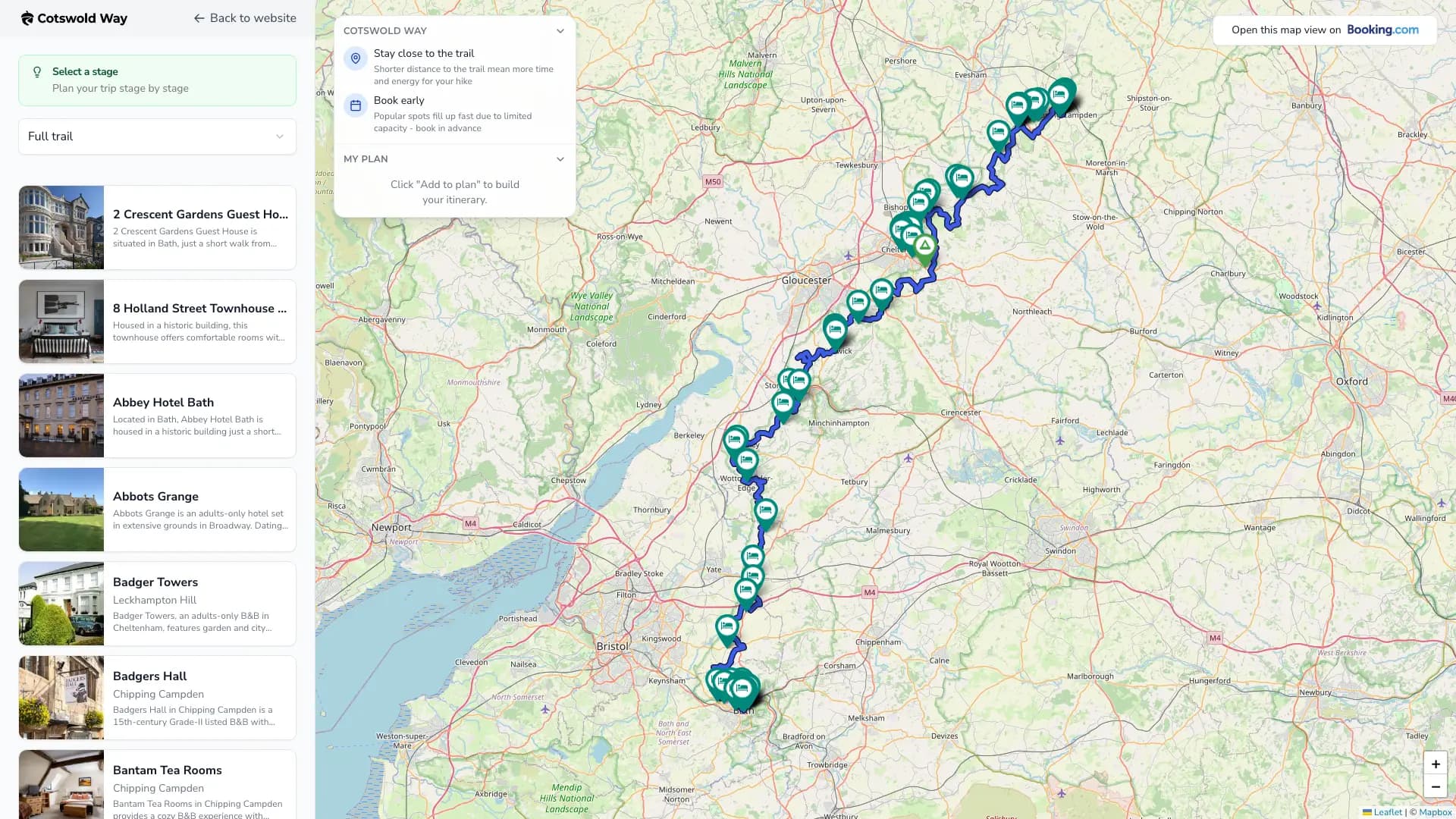
The Cotswold Way is considered an inn to inn hike, meaning you'll be staying in inns, B&Bs, and small hotels in the villages along the route each night. This is part of what makes the experience so charming - but it does add to the overall cost. Expect to pay roughly £75-£125 per night for accommodation. Hiking in April (early season) offers a bit more flexibility, but if you're planning a summer hike through September, book well in advance. The villages along the trail are small, and available rooms fill up fast during peak season. I ended up staying at the following accommodations:
- Chipping Campden: Volunteer Inn
- Broadway: Rookery Farm*
- Cleeve Hill: Rising Sun Hotel
- Birdlip: The Royal George Hotel
- Painswick: The Falcon
- Stonehouse: Stonehouse Court Hotel
- Wotton-under-Edge: Meadow Rest
- Old Sodbury: Cross Hands Hotel
- Cold Ashton: Tog Hill House Farm*
- Bath: Edgar Town House
*I wouldn't stay here again, so consider other options prior to booking here
If you are interested in more details and some personal photos from each place I've stayed check out my accommodation guidevideo on just that!
4. Food and Meals on the Trail
Access to food along the Cotswold Way varies each day. A great strategy is to:
- Breakfast: Look for accommodation that includes it - many B&Bs and hotels offer breakfast included in your stay, which sets you up well for a big day of hiking.
- Lunch: If you pass through a village, you may want to grab something at a local café or store. Otherwise, trail snacks and protein bars will keep you going until you get to your next town. Many of the golf courses you pass through on trail will have public clubhouses where you can grab a coffee or tea to take a break and get some fuel.
- Dinner: After a long day hiking, you'll be hungry. Ideally your hotel/ inn has an attached restaurant or pub so you don't have to go far for a meal. This is partly what makes the Greene King options so appealing. But if not, when booking make sure there is a restaurant within easy walking distance or delivery options available for that town. Make sure to budget for meals separately from your accommodation costs when planning your trip finances.
5. Money and Payments
You can pay by card most everywhere along the Cotswold Way, so you won't need to carry much cash. That said, it's worth getting some cash out before you start just in case. Cash can come in handy for local taxis (for example, from the train station to the starting point at Chipping Campden) or for any charming roadside stalls you might stumble across along the trail.
6. Packing for the Weather
Weather on the Cotswold Way can be unpredictable, so come prepared for everything. Hiking in April means cooler mornings and the chance of rainy days. Layering up is key in cooler months. Summer hikers should plan for sunny and hot days and have plenty of water on hand and sun protection. Of course, the weather could change at any moment and afternoon showers are common so always have your rain gear handy. Most people complete the trail in 7 to 10 days so it's best to look and pack ahead for potential weather events. Pack layers, extra socks, a waterproof jacket, and sun protection, and you'll be ready for whatever England throws at you.
7. Training and Fitness: How Fit Do You Need to Be?
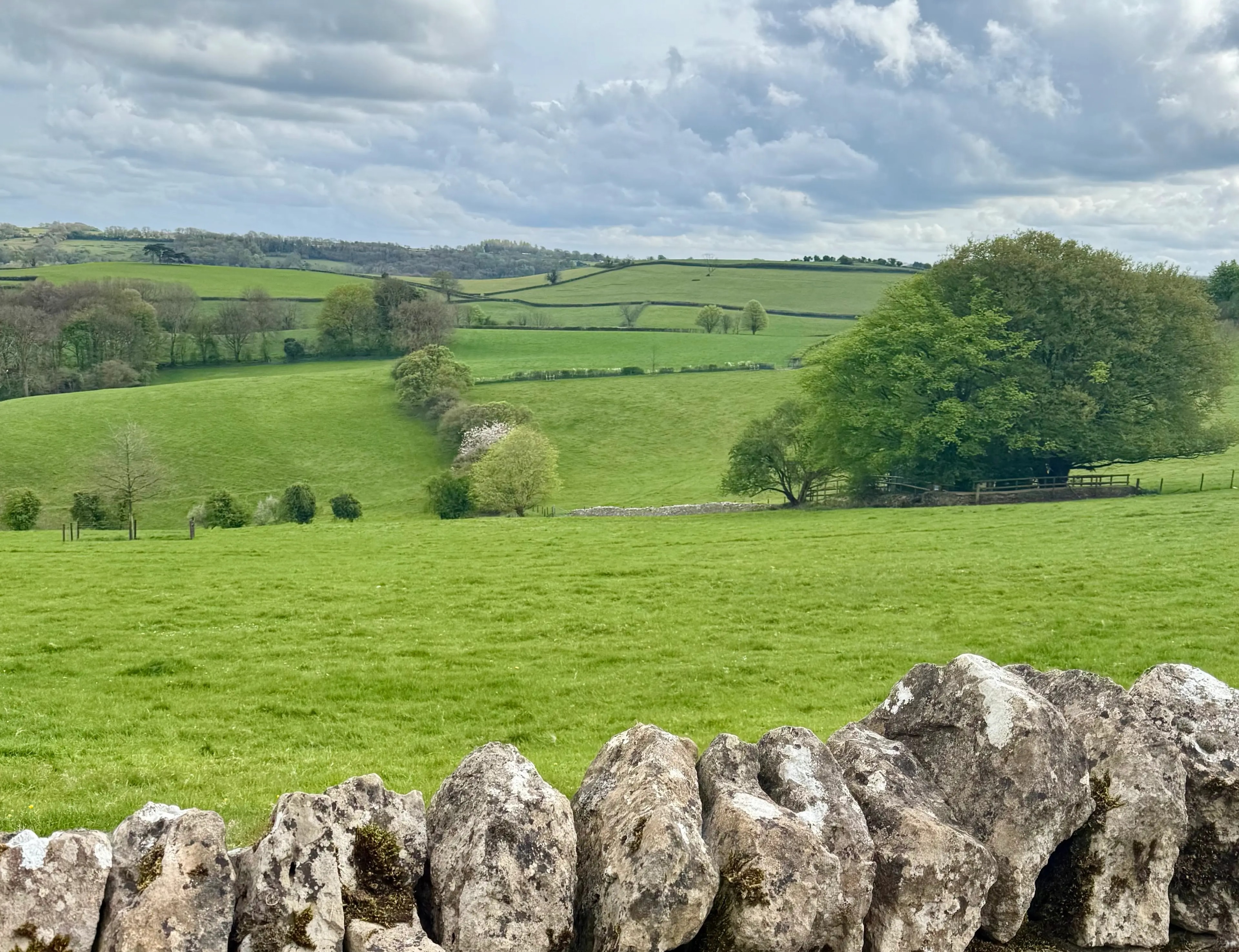
The Cotswold Way is considered a moderate trail and more challenging than many hikers expect. While it's not technically difficult, you do need a solid baseline level of fitness. If you regularly hike, run, or go on long walks, you'll likely be just fine. Most daily stages on the trail range from 8 to 12 miles, so you should be comfortable covering at least 10 miles a day on varied terrain and with decent elevation gain. Building up your mileage in the weeks before your trip is always a good idea, especially if you'll be carrying a pack. Pro Tip: Wear whatever shoes you plan to hike in well before your trip! Whether this is walking around your neighborhood or even on the treadmill at the gym. You want to make sure you can wear them for many miles for multiple days without negative side effects.
Wrapping it all up
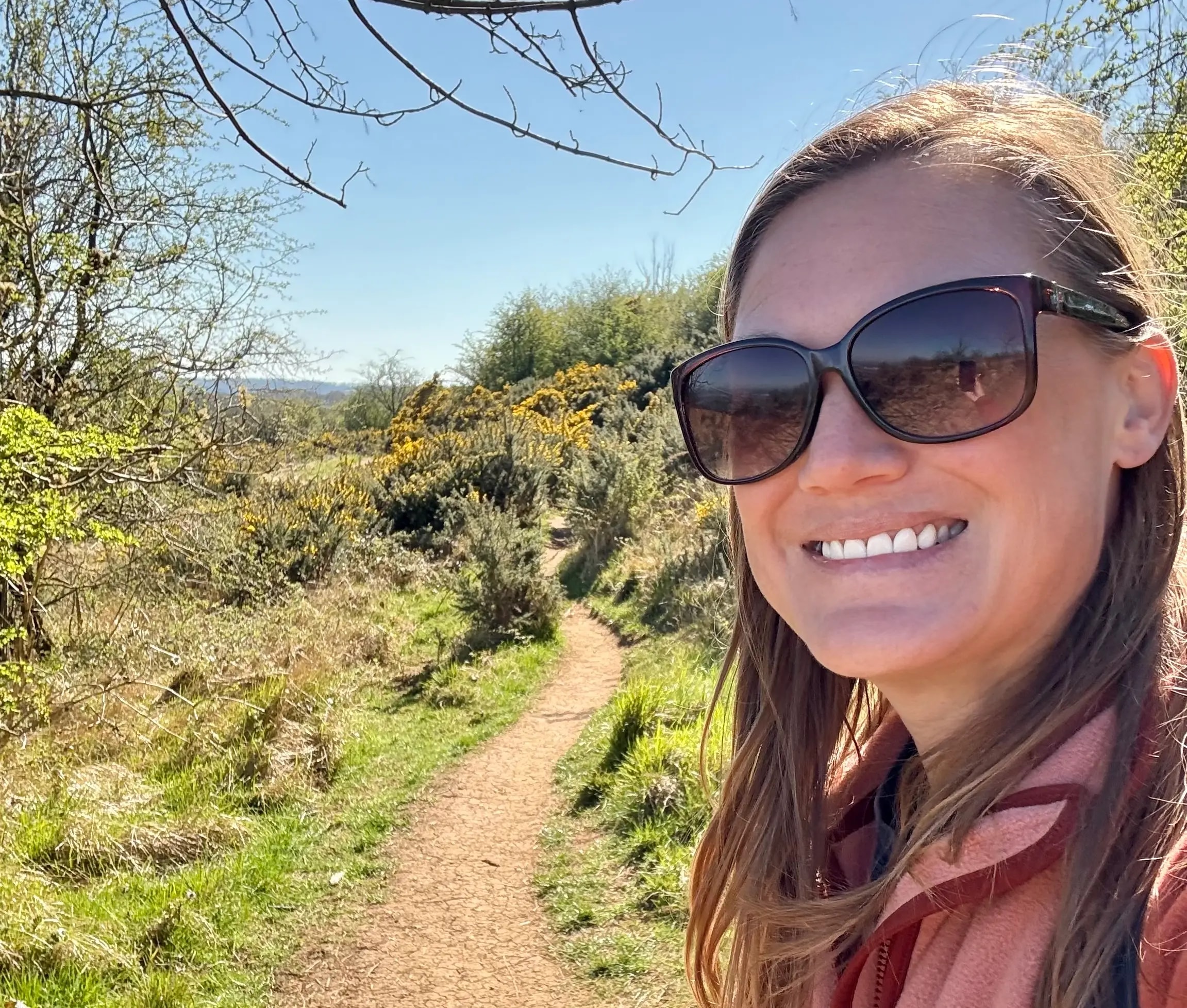
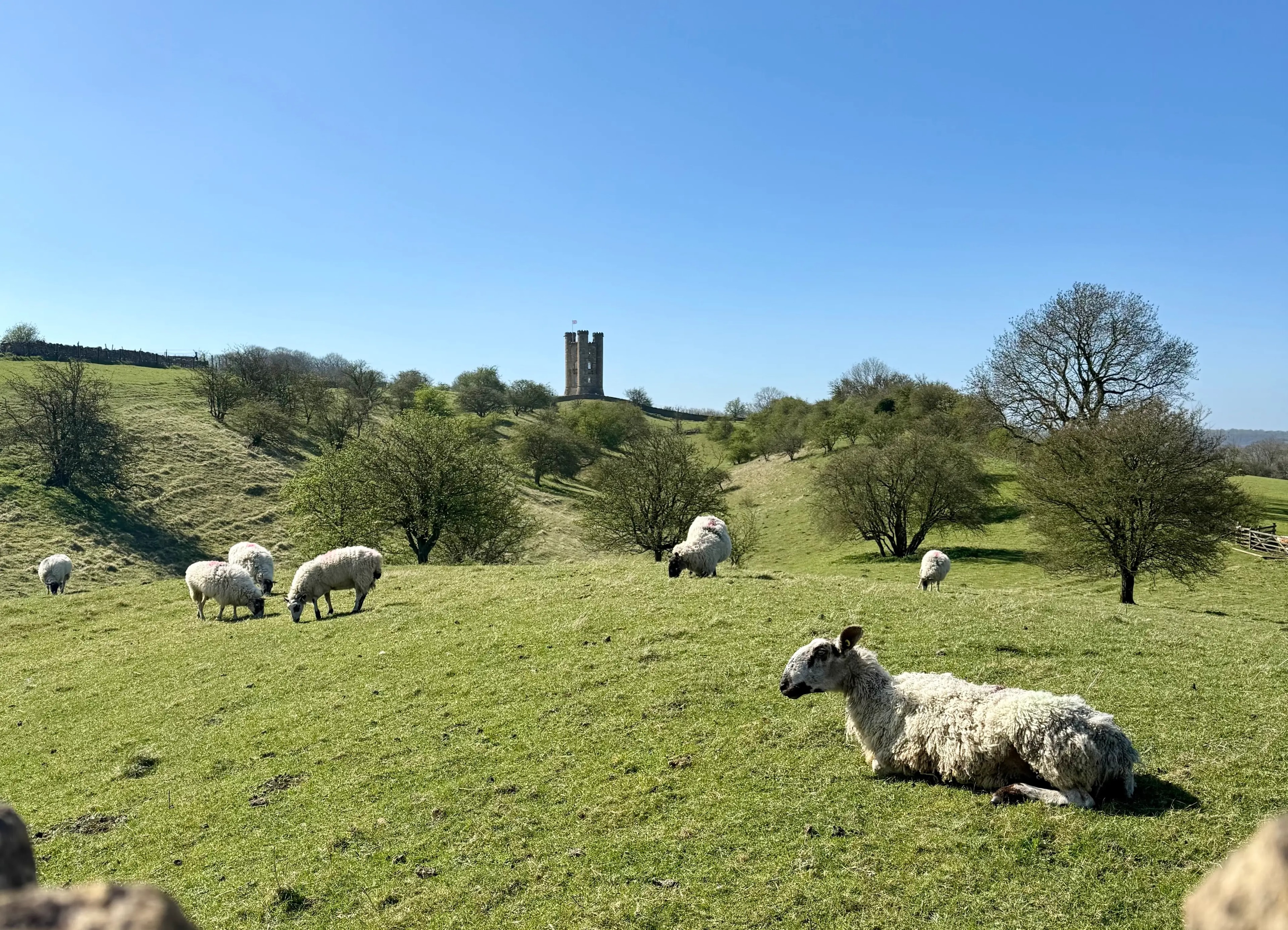
The Cotswold Way is a truly special trail with stunning views, friendly fellow hikers, and beautiful English countryside from start to finish. With a little preparation, it's an incredibly rewarding experience. I've included all my tips in this YouTube Short. Happy Hiking!