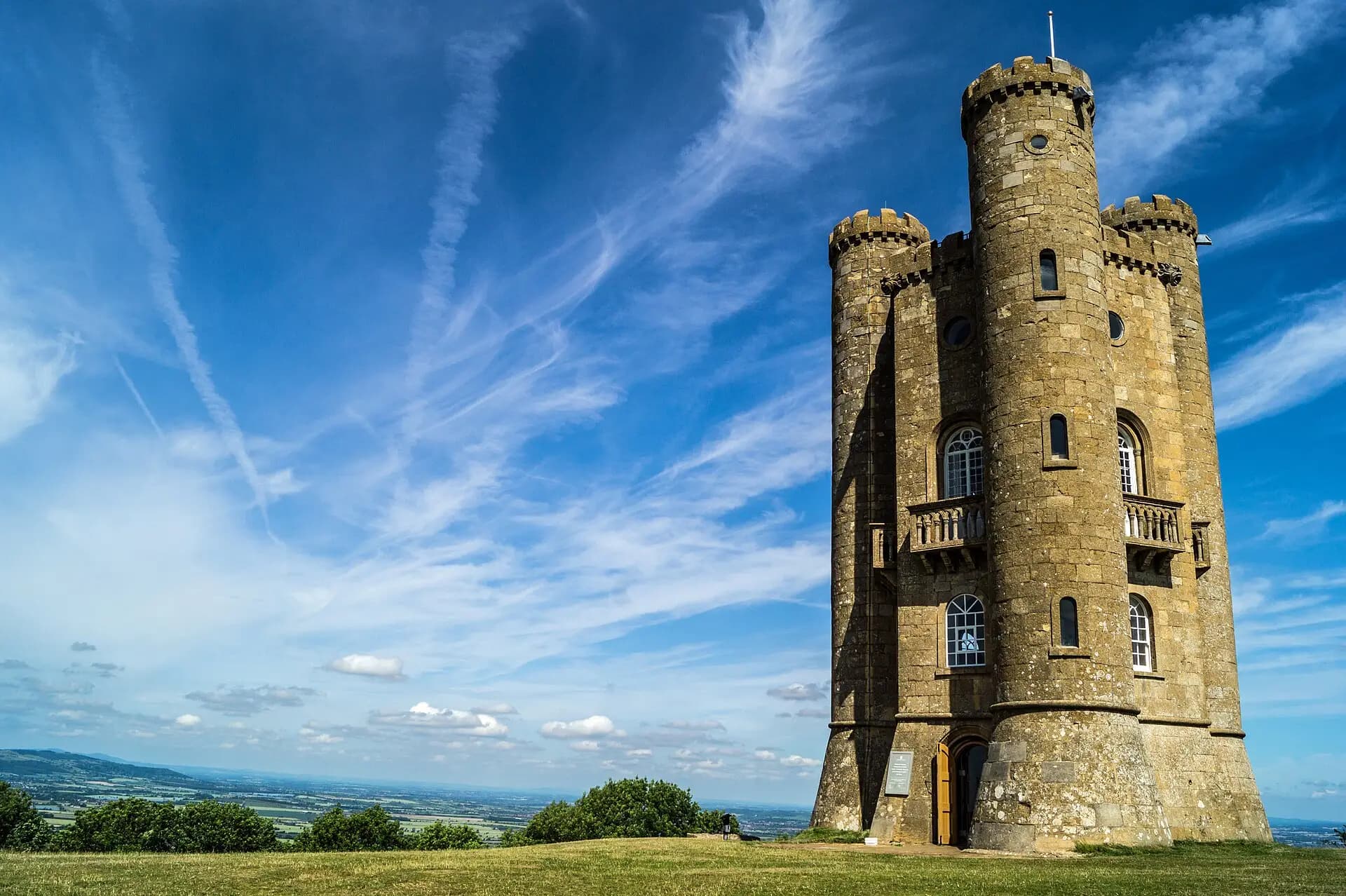

The Cotswold Way is truly special in the way that this trail winds through some of the most beautiful British landscape. The historic route passes many beautiful towns, castles, monuments and other very noteworthy sites. When you are hiking you are into the hike and you want to focus solely on that. However I think on the Cotswold Way in particular it's important to dedicate a little bit of time to visit some of the main sites along the trail. In this article I want to share with you my personal opinion on the top three sites that I think is worth a visit while you're on trail.
1. Broadway Tower
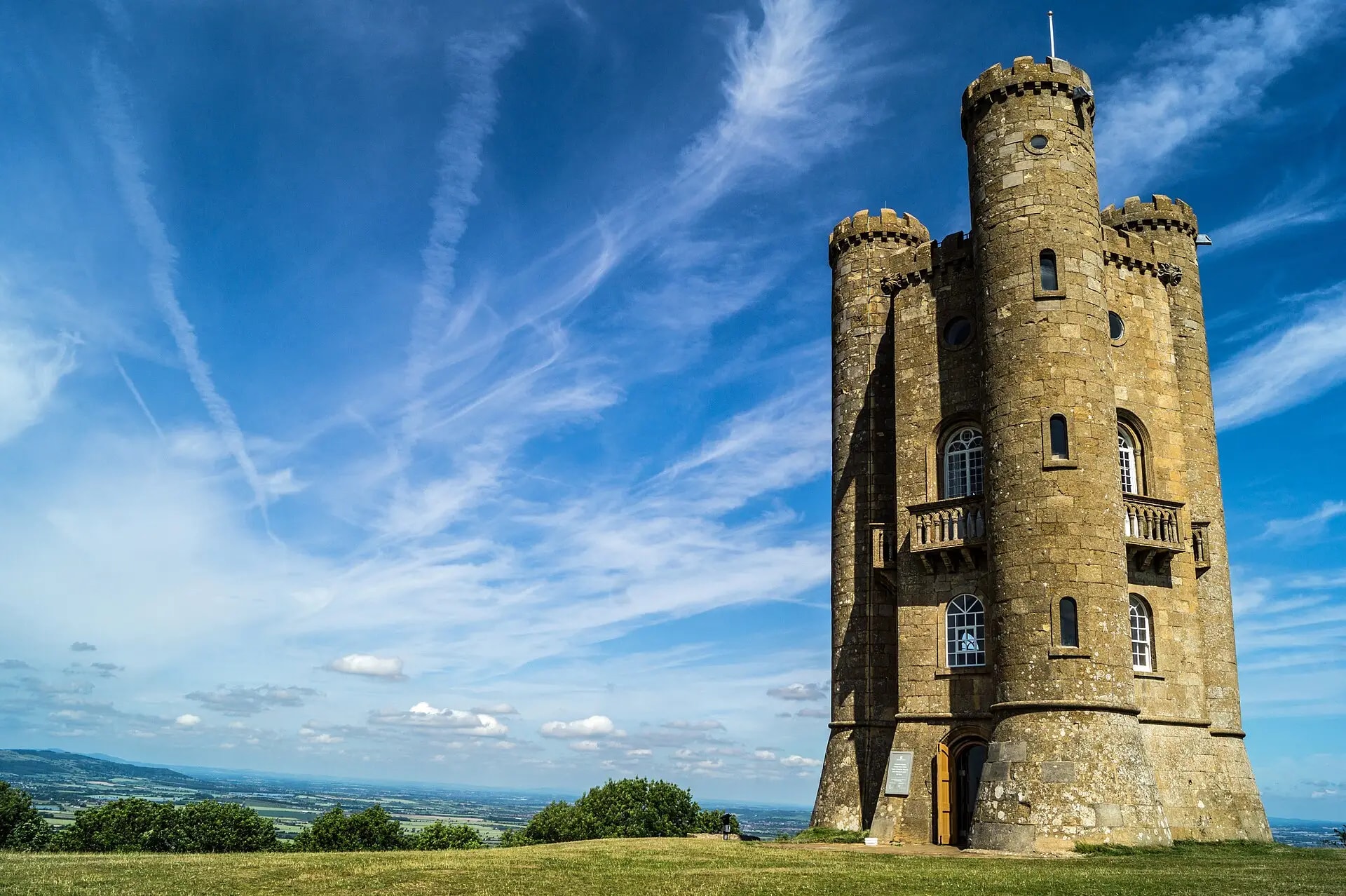
Broadway Tower sits on the escarpment above Broadway village, and is very close to the trail. At 312 m it is the second-highest point on the Cotswolds, and on a clear day the roof platform looks out across 16 counties. The tower itself dates to 1798 - a folly designed by Capability Brown and built by James Wyatt for the Earl of Coventry.
The trail passes within sight of the tower as you climb out of Broadway. Allow an hour or two if you want to climb to the top, walk the deer park, or grab a coffee at the on-site cafe. Entry is ticketed; check opening hours and prices before you go. Summer weekends get busy, so an early start helps.
2. Dyrham Park
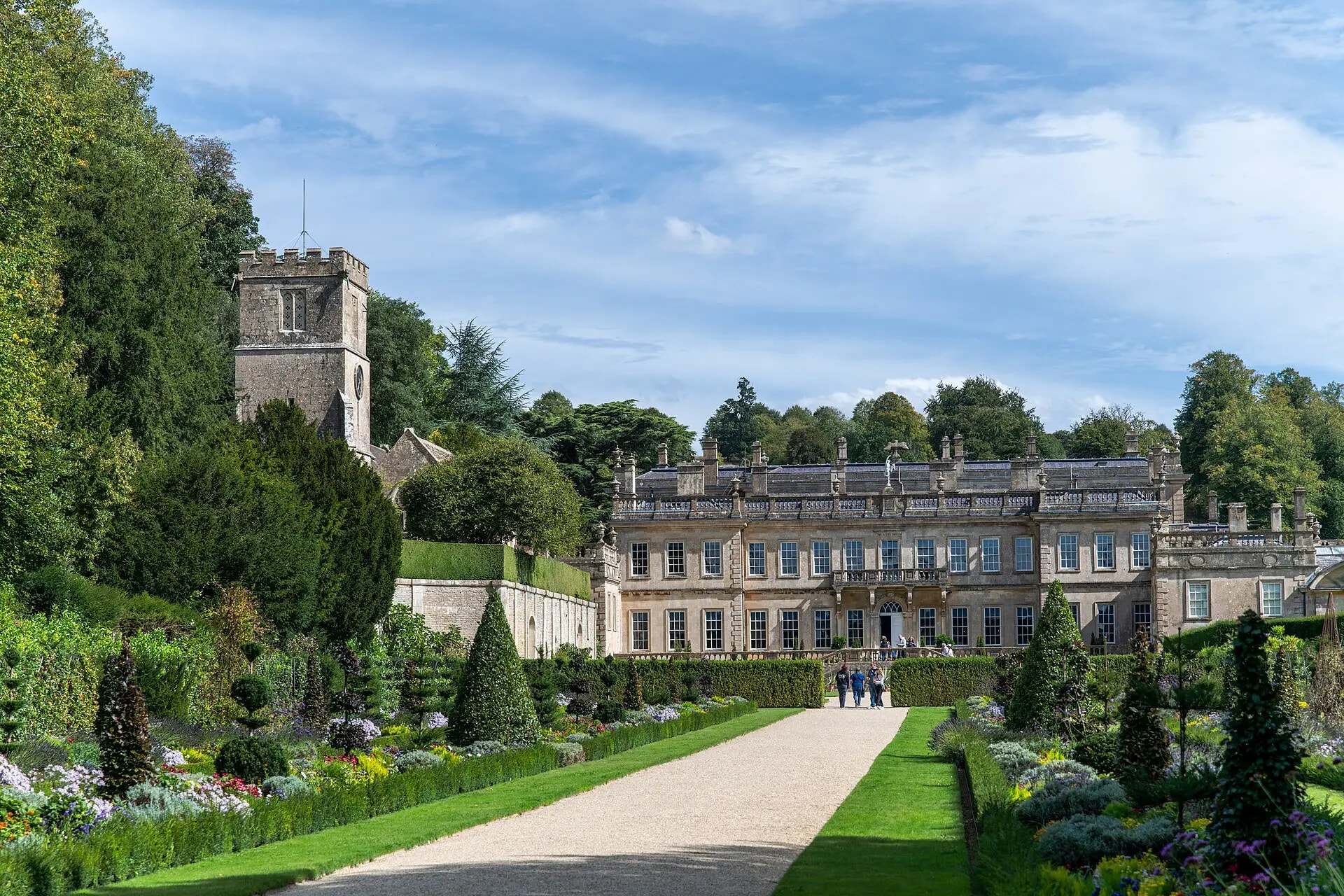
Dyrham Park is a William and Mary country house in 270 acres of parkland, about 2 km off the trail near Dyrham village on the southern stages (around day 7-8 if you are walking north to south in 8 days). The house was built between 1692 and 1704 for William Blathwayt, Secretary of State to William III, and the Baroque interiors are among the best preserved in England.
You can walk through the deer park without going inside, but the house is worth it if you have the time. The National Trust runs the site - check Dyrham Park opening times and book house tickets in advance during summer. Allow a half-day if you want the full house and garden visit; an hour is enough for a walk through the parkland and a look at the exterior.
3. Hailes Abbey
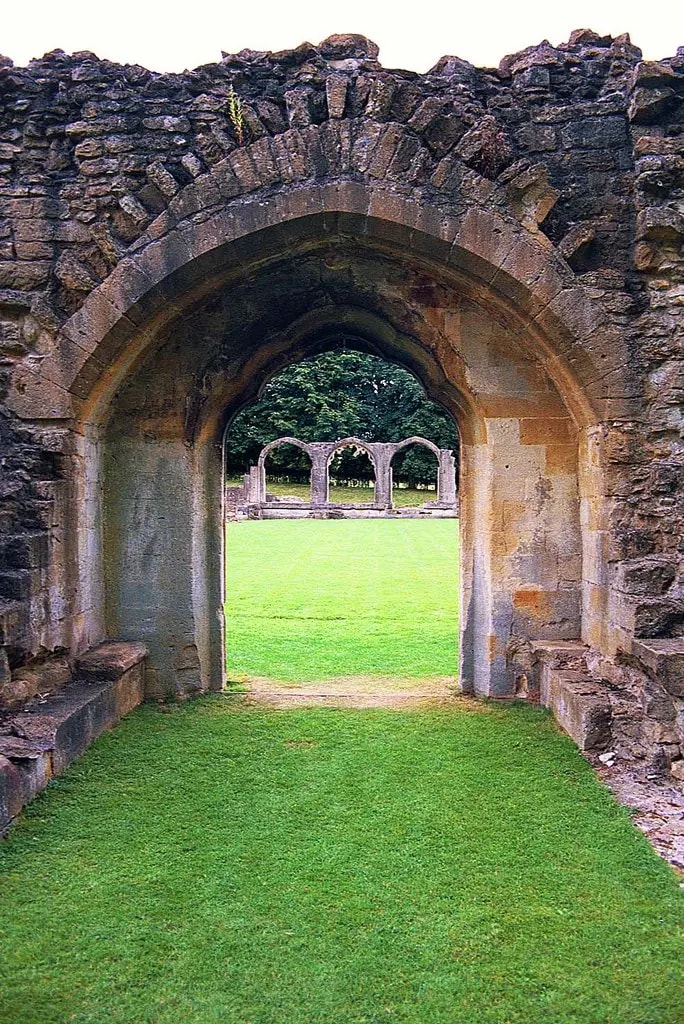
Hailes Abbey is a Cistercian ruin 3 km northeast of Winchcombe, right off the trail on the descent from the escarpment around day 2. The abbey was founded in 1246 and became a major pilgrimage site after Richard, Earl of Cornwall, donated a relic said to be the Holy Blood of Christ. Henry VIII dissolved it in 1539; what remains is a quiet, atmospheric set of walls and arches in open meadow.
English Heritage manages the site (the National Trust owns the land). Entry is around £8-10 for adults; see Hailes Abbey visitor info for current prices and hours. Allow 45-60 minutes. The museum on site has artefacts from the abbey's heyday, including floor tiles and stonework. Winchcombe is a good place to stop for lunch before or after.
Bonus: Sham Castle
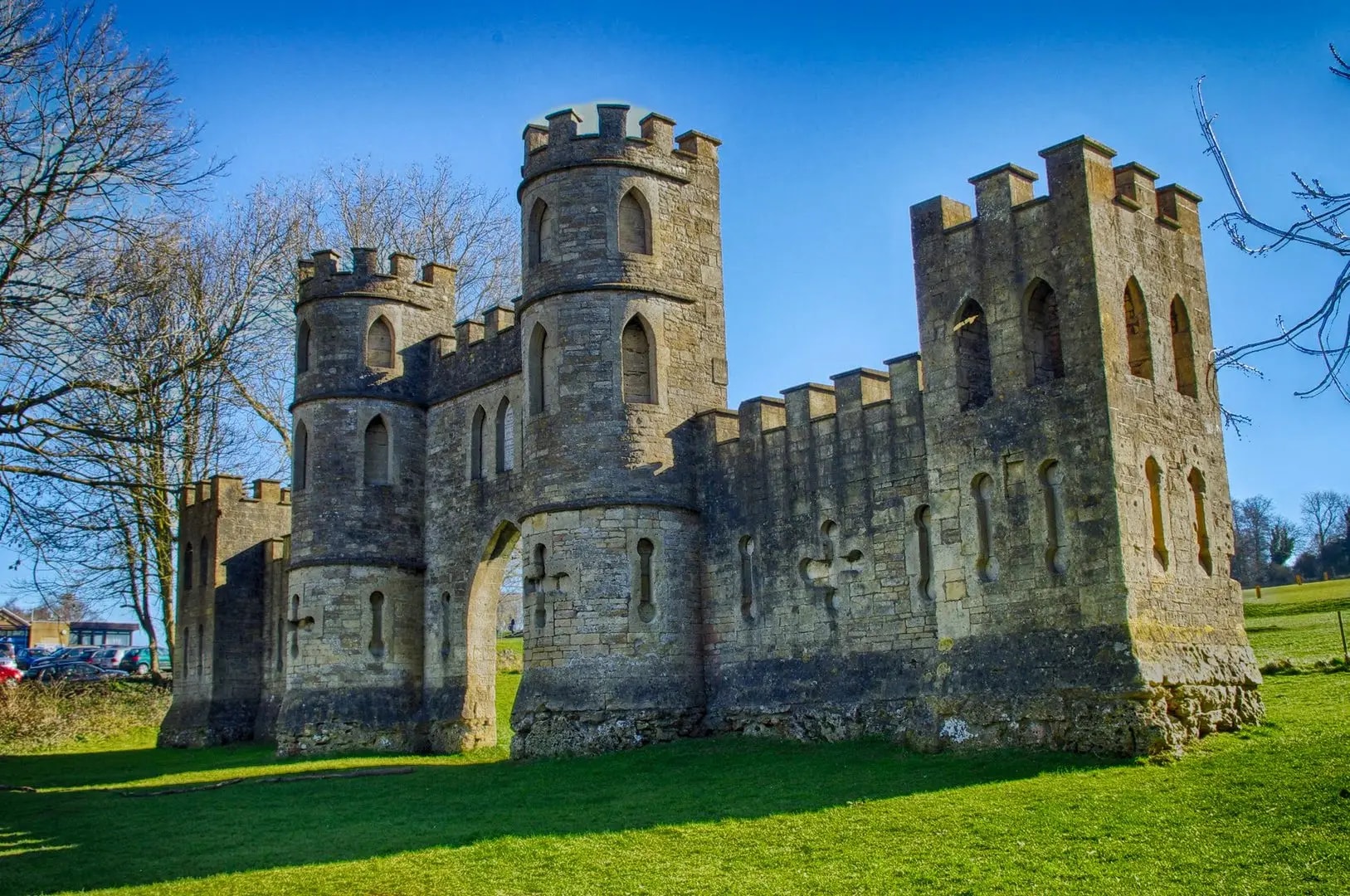
If you finish at Bath, save a little energy for Sham Castle. It's a folly on Bathwick Hill, about 1.5 km east of the abbey, built in 1762 by Ralph Allen to improve the view from his townhouse. There's nothing behind the facade - it's a single screen wall of turrets and battlements, and that's the whole point.
It's a short, steep walk up from the city centre, and entry is free. Go at the end of the day for the light and the view back over Bath. Allow 30-40 minutes for the round trip on foot. I love this place; it's a very unique often overlooked.
Planning your detours
None of these three require a full rest day, but they do need a bit of planning. Broadway Tower and Hailes Abbey are the easiest to fit in - both sit very close to the trail on days you are already walking through the area. Dyrham Park needs a more deliberate detour on one of the longer southern stages, so check your daily mileage before adding it in.
Book ahead for house entry at Dyrham Park and for tower tickets at Broadway Tower in peak season (May-September). Hailes Abbey is smaller and usually less crowded, though summer weekends on the northern stages can still mean queues at the car park. If you are tight on time, I'd prioritise Broadway Tower for the views and Hailes Abbey for the history - but all three are worth it if your schedule allows.